Helping new
starters thrive
Cutting three-month drop-off from 42% to 38% — about £1.4m a year
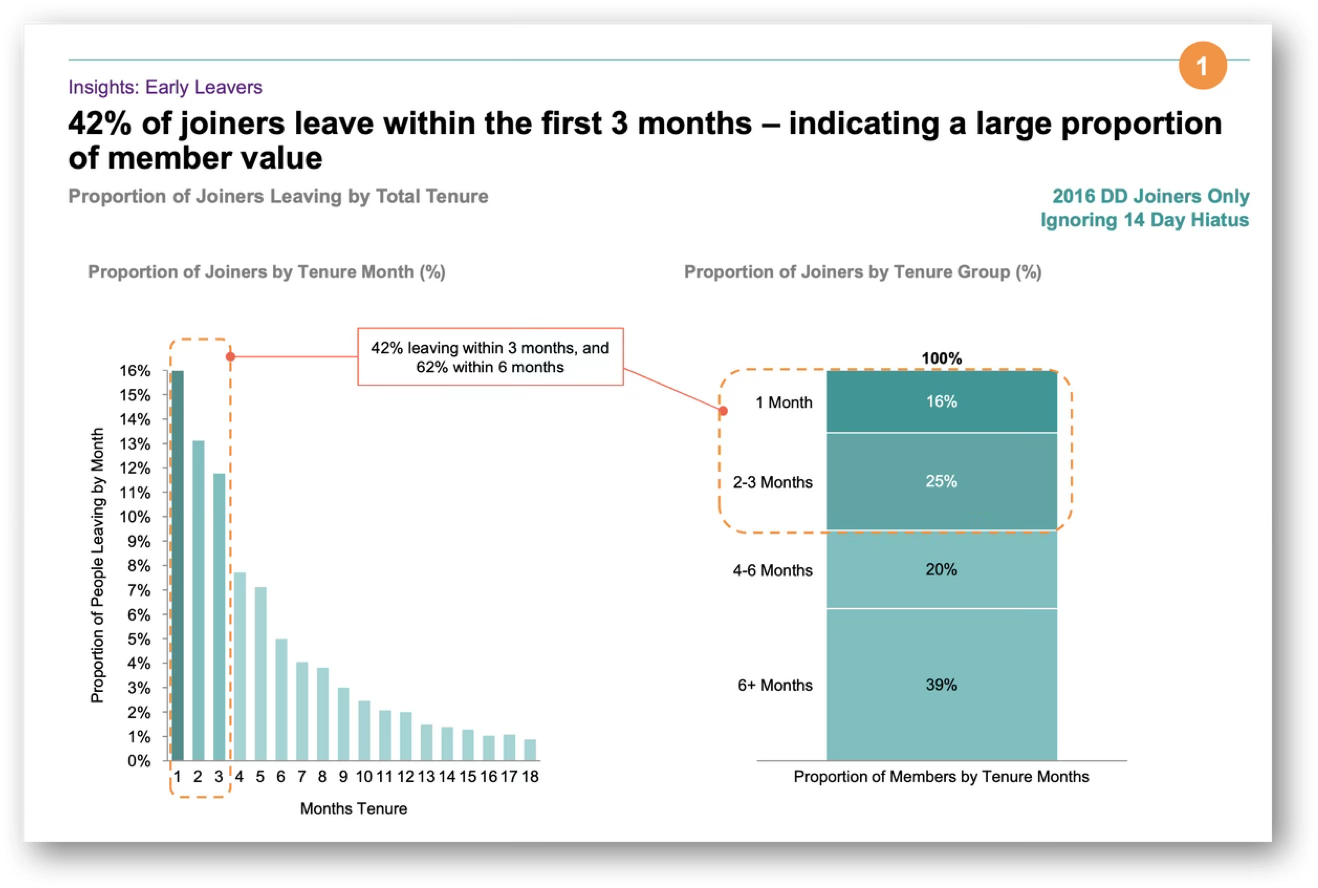
PureGym is the UK's largest gym chain — 1.5 million members across eight countries. 42% of joiners were leaving within their first three months against an industry average of 37%, and nobody knew why. This is the whole route from research to release, and the design leadership around it.
The problem
42% of joiners left within three months against a 37% industry average — and nobody knew why. The first job was investigation, not features.
The process to find a solution
Lean — build, measure, learn — in eight stages, each with a named set of people accountable for it.
User research — finding answers
Four ways in: behavioural data on quick leavers, in-app feedback, shadowing and interviews with new members on the gym floor, and a survey of 500 current and former members.
The biggest challenge new members face is not knowing what to do, and feeling intimidated by the equipment and the people.
Behind that: unstructured guidance and low motivation. So educational support, structured onboarding and motivation were the levers — not a better sign-up. The assumption we started with — that members quit because they signed up on a whim — did not survive the research.
Ideation
Cross-functional sessions with product, design, development, QA and wider stakeholders — then I sketched the concepts up against the research. Machine recognition came out of the dev team, which is exactly why they're in the room.
Around twenty ideas came out, from workout plans and a gym busyness meter to achievement badges, QR entry, nutrition tracking and a virtual trainer.
Prioritisation
I sat with product and tech and scored the ideas on ICE — impact, confidence, effort. Workout Plans won: impact 8/10 on 'knowledge intimidation', confidence 6/10 because we only had what members said rather than what they did, and the effort was feasible because a content provider could carry it. Machine recognition scored lower purely on the effort to train the model well enough for real use.
| Feature | Impact | Confidence | Effort | Score |
|---|---|---|---|---|
| Workout plans | 8 | 6 | 6 | 12.00 |
| Gym busyness meter | 7 | 4 | 3 | 9.33 |
| Easy membership sign-up | 5 | 10 | 6 | 8.33 |
| Gym machine recognition | 4 | 4 | 3 | 5.33 |
| Gym-goer achievements | 7 | 3 | 4 | 5.25 |
Consulted C-suite, Legal, Brand and Marketing before committing.
At least 5% conversion on workout plan purchases — around £150k a year, covering build cost within two years and about £100k profit thereafter, allowing for maintenance and content licensing.
Prototyping & live testing
Four journeys: viewing plans, purchasing, using a plan, giving feedback. I worked with personal trainers to build four static plans — Get Fit, Build Muscle, Lose Weight among them — and prototyped in Sketch and Marvel so I could put tasks in front of people and judge usefulness, usability, accessibility, learnability and desirability.
Then a genuinely lean proof of concept: a single advert tile leading to a purchase flow, where users bought an access code for one of the four plans. Released to a test group for four weeks, we watched purchase difficulties, a gradual rise in purchases, consistent usage — and a heavy majority choosing Lose Weight.
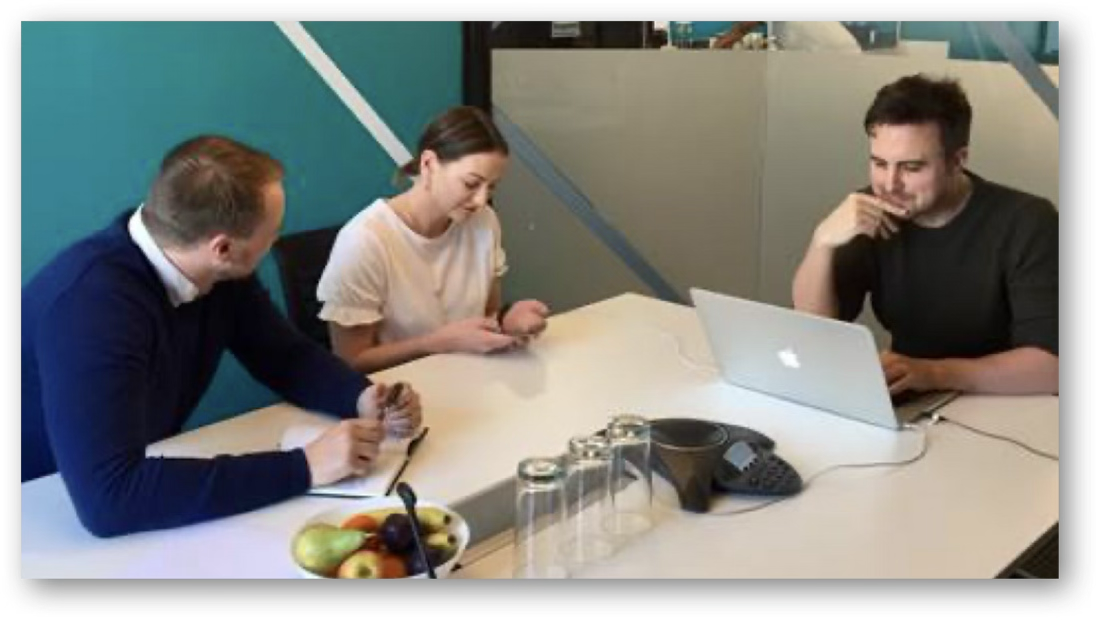
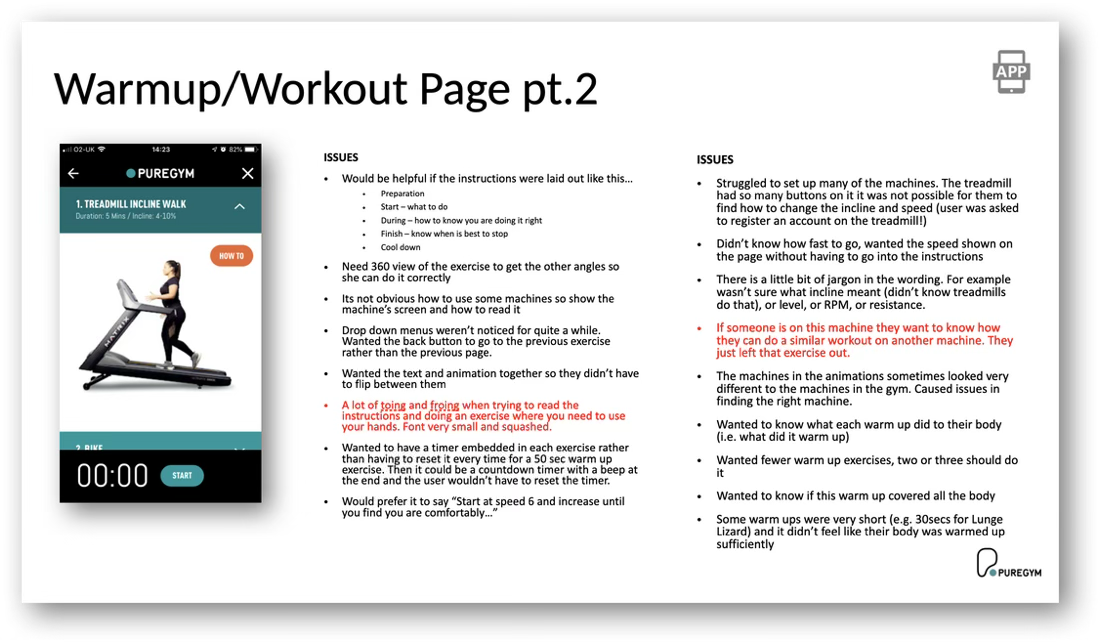
What the test taught us
Final design
Detailed wireframes and user stories covering the edge cases — and every finding from the test answered with a design or a business decision.



With Marketing we agreed the app would be the testing ground for a new visual style, 'FitFun' — built to make going to the gym feel approachable and enjoyable. Four communication personalities were written into the brand guidelines; the personal-trainer voice, for example, is always upbeat and motivating.
Design system & handover
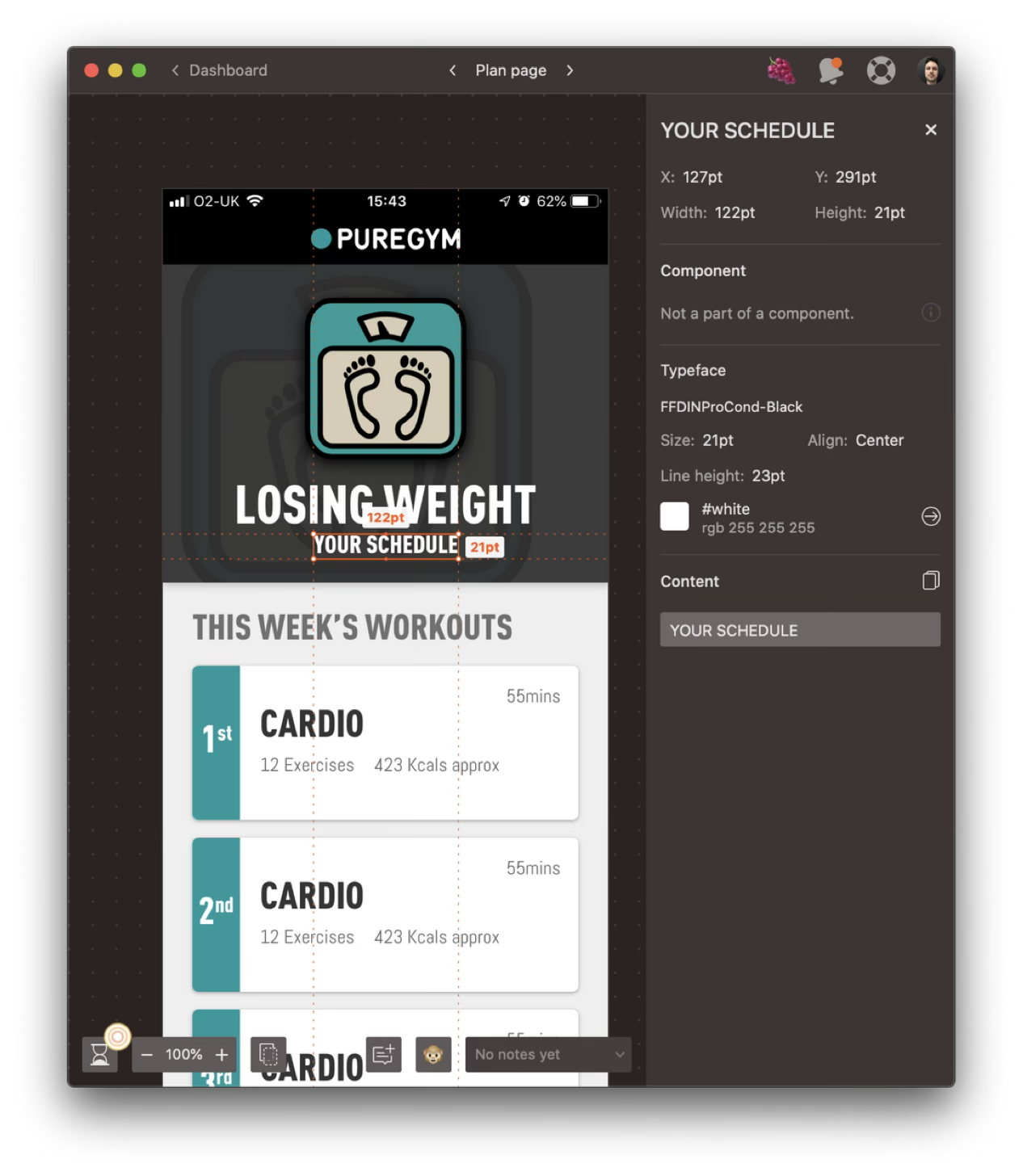
Atoms, molecules, organisms, templates and pages, built out in Sketch and held in Zeplin for a seamless handover — every page plus the component layers, with padding, type, colour and spacing specified.
Adaptive and responsive throughout so it holds up across screen sizes and platforms, and built to scale out to the rest of the app, with website integration planned after.
Teaching people to use it
A plan nobody knows how to find is a plan nobody buys. Alongside supporting development and QA through build, I wrote, storyboarded and produced a set of short educational videos — one strand for the people working in the gyms, one for the members using the app.
Gym managers got a walkthrough for onboarding new joiners at the desk. Personal trainers got the plan content and the language to talk about it, so they could answer questions on the floor rather than sending members back to the app. Members got a short tour of finding, buying and following a plan.
Results
"I used to just wander around the gym, pretending I knew what I was doing. The workout plan made me realise how much time I was wasting and finally gave me a proper structure."
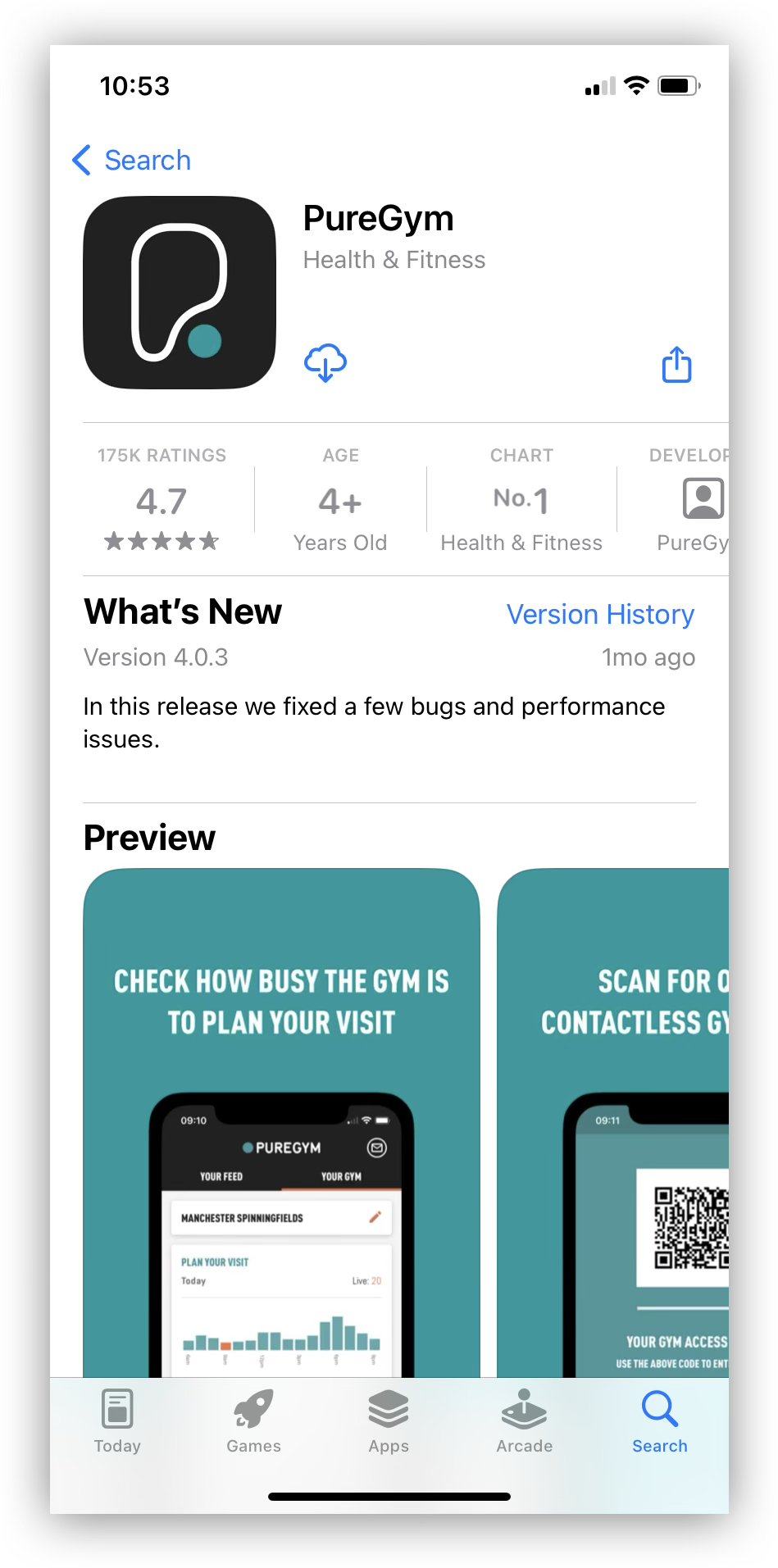
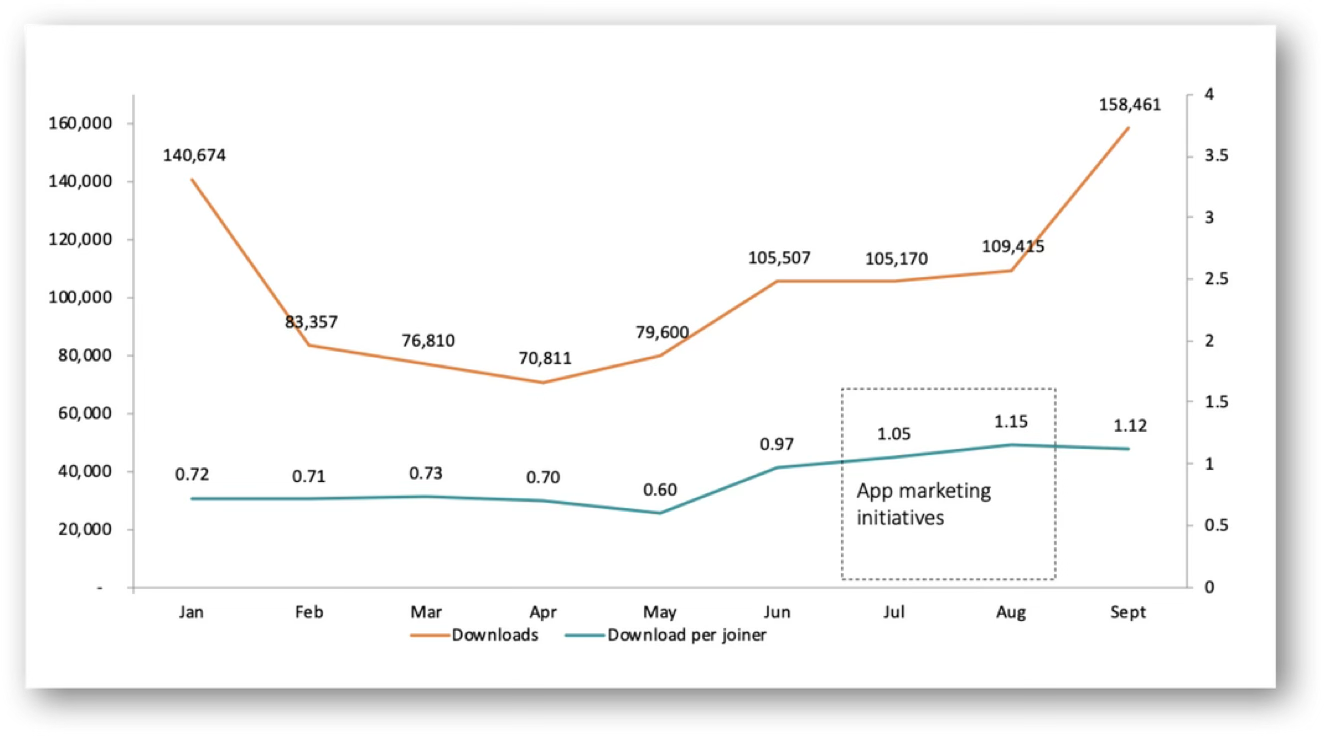
4.7 stars from 175K ratings, and No.1 in Health & Fitness.
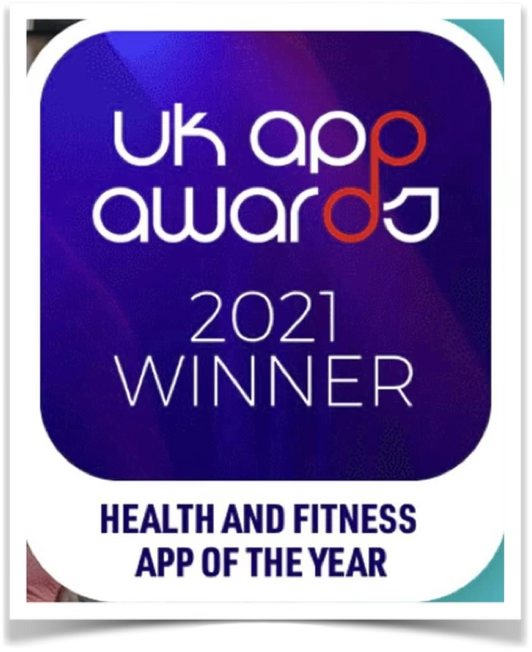
What I'd do differently
More design resource up front would have let me stay on design strategy rather than in delivery.
Using the app as the testing ground for 'FitFun' cost us consistency.
Content and contract reviews would have moved faster with earlier engagement.
Being collocated with tech is invaluable, and worth fighting for.
A members' Facebook group giving quick reactions was one of the best tools we had.
Continuous communication across every stakeholder group is what kept this moving.
Appendix — other projects I completed
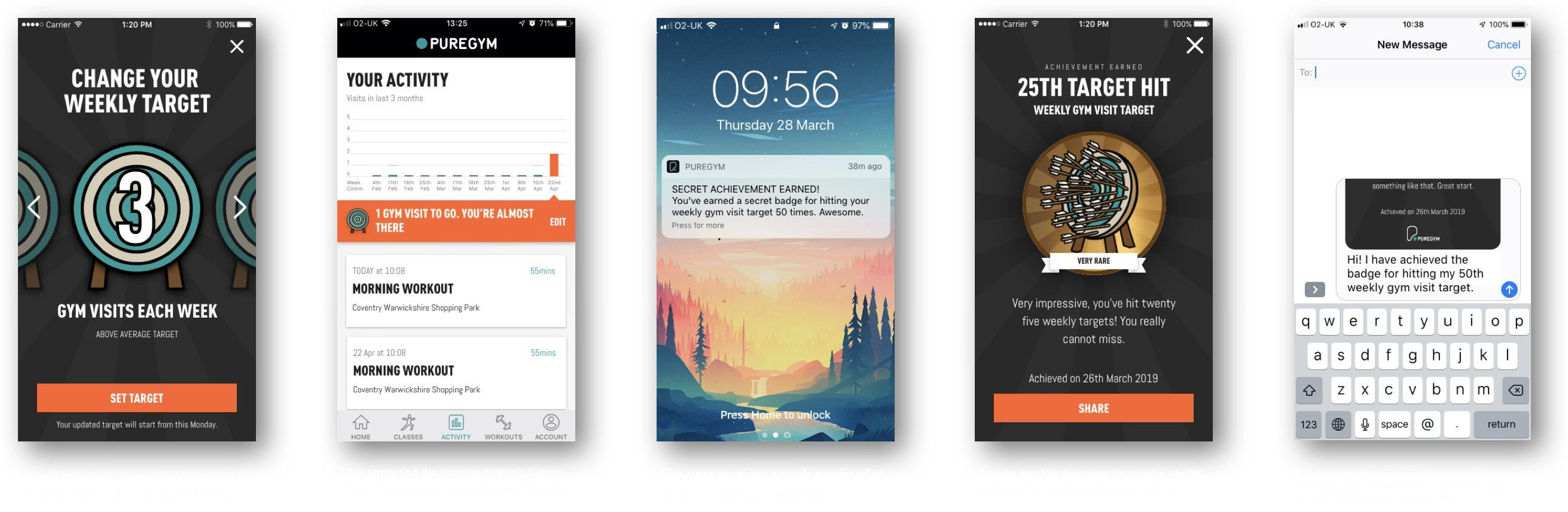
Gym-goer achievements
Members wanted to set themselves targets, see progress against them and be rewarded for hitting them — to keep themselves going, and for the social kudos of having finished.
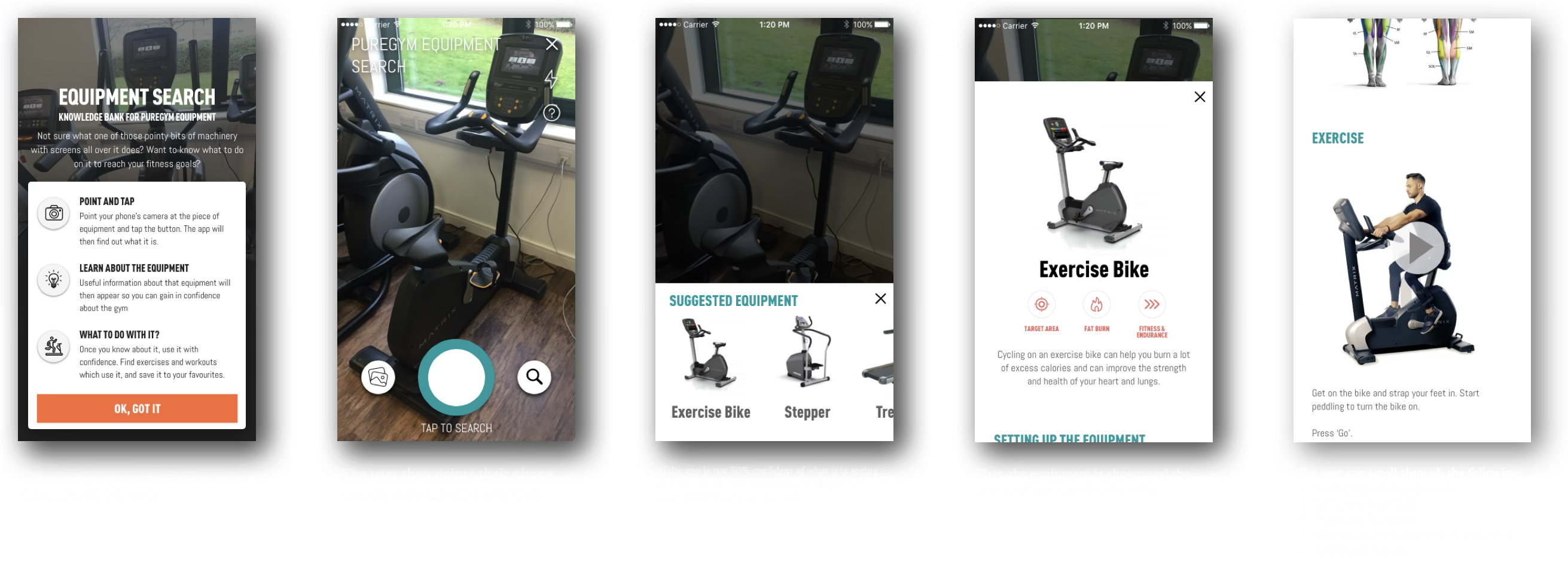
AI equipment recognition
The anxiety of not knowing how to use a machine, or what it's for, was one of the biggest blocks for new members. We partnered with a third-party AI company so the app could recognise equipment and suggest what to do with it.
Home workouts
COVID-19 closures meant keeping members with no gym to go to. We put home workout plans on the Home page to draw attention, and filmed them fast with our own personal trainers. We started with two; there are now over a hundred.
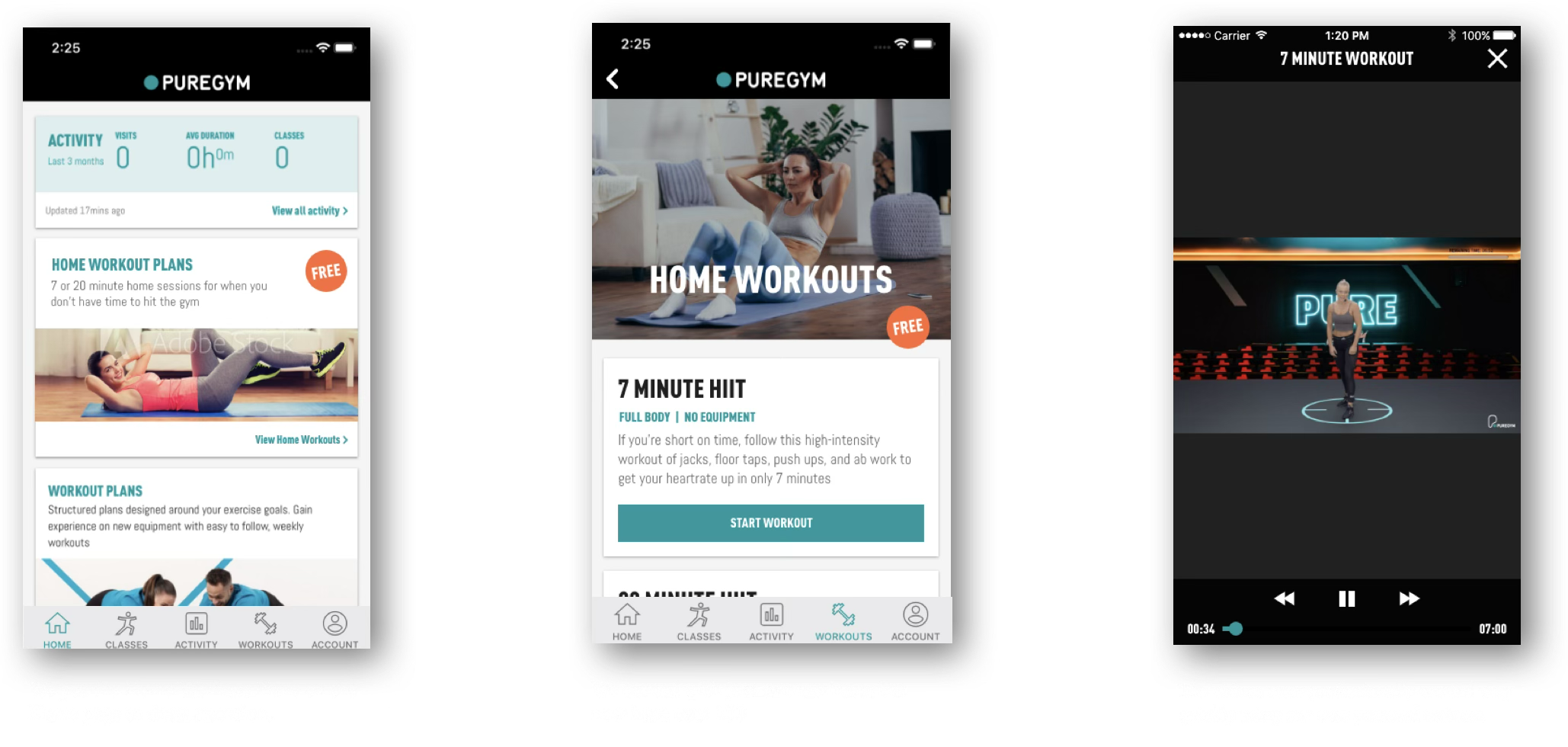
We didn't know whether members wanted home workouts at all — or how long they should be.
We shipped two videos, one seven minutes and one twenty, and watched uptake. An overwhelming success: people wanted mini workouts to start the day and hold their fitness.
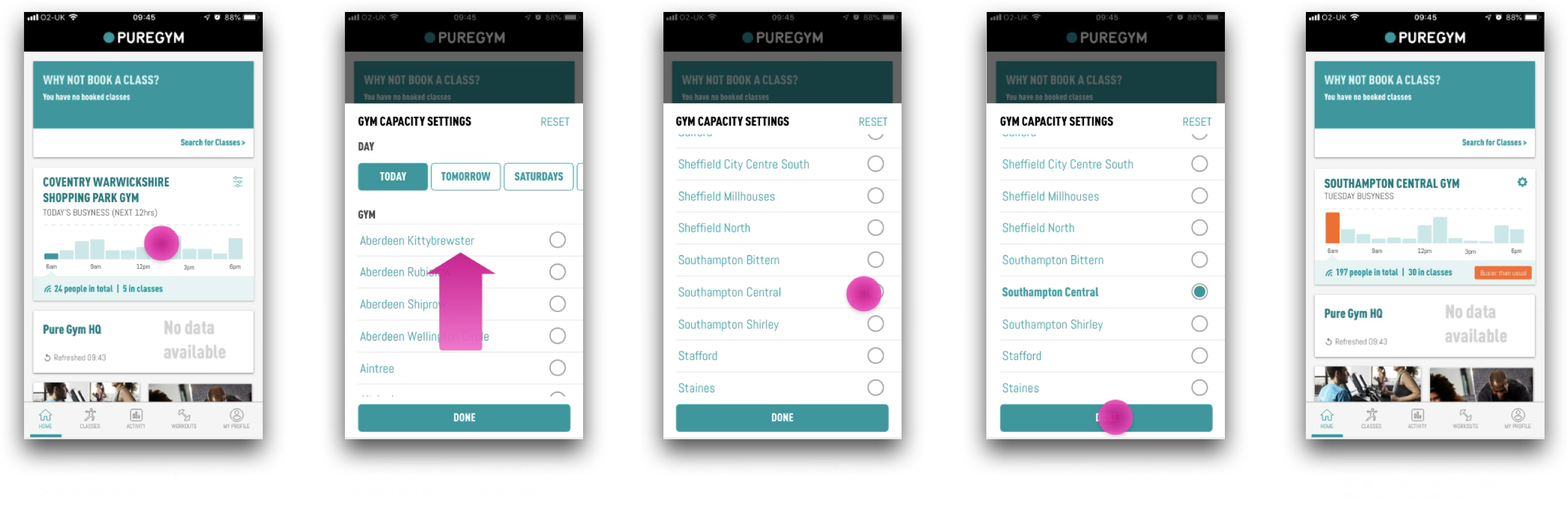
Gym capacity monitor
Real-time gym capacity, so members can plan their workout for a quieter hour — which matters most to exactly the new starters who feel watched.