Listening to music
with your friends
Defining a social music app from a blank page
Make listening to music on your phone something you can do with friends, wherever they are in the world. I joined as a Business Analyst, moved into product design, and became Head of Product, defining the product from user needs, leading the design and overseeing its production.
Crowdmix raised more than £14m, soft-launched invite-only in May 2016 and went into administration that July. This is what we built, and what I’d do differently.
The problem
Music is social, but listening on a phone isn’t. Friends use different services to play the same songs, and there was no good way to share what you love with the people you care about.
Value proposition
Feel a connection with friends through the music you listen to.
Strategy
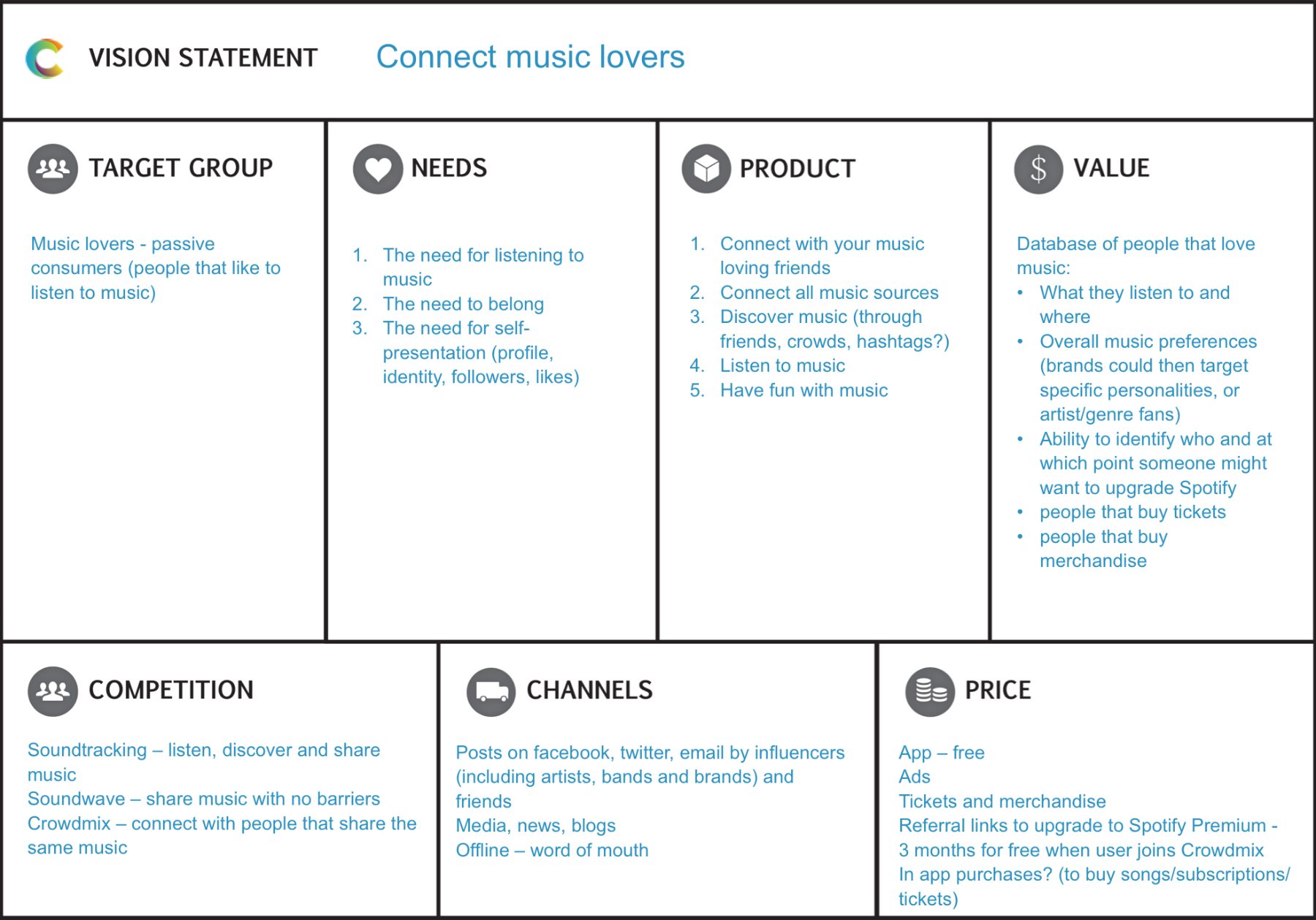
I started as a Business Analyst, and the first step was defining what problem the product solves. The hard part was solving it for three kinds of user at once, artists, advertisers and listeners, while still making money. I interviewed people from each group to learn their needs, goals and problems, and worked out an advertising model that wouldn’t get in the way of either listeners or brands.
Once the vision statement was agreed, and as I moved into design and then led product, I worked with the C-suite, design, marketing and development teams to produce everything that followed from it.
User research
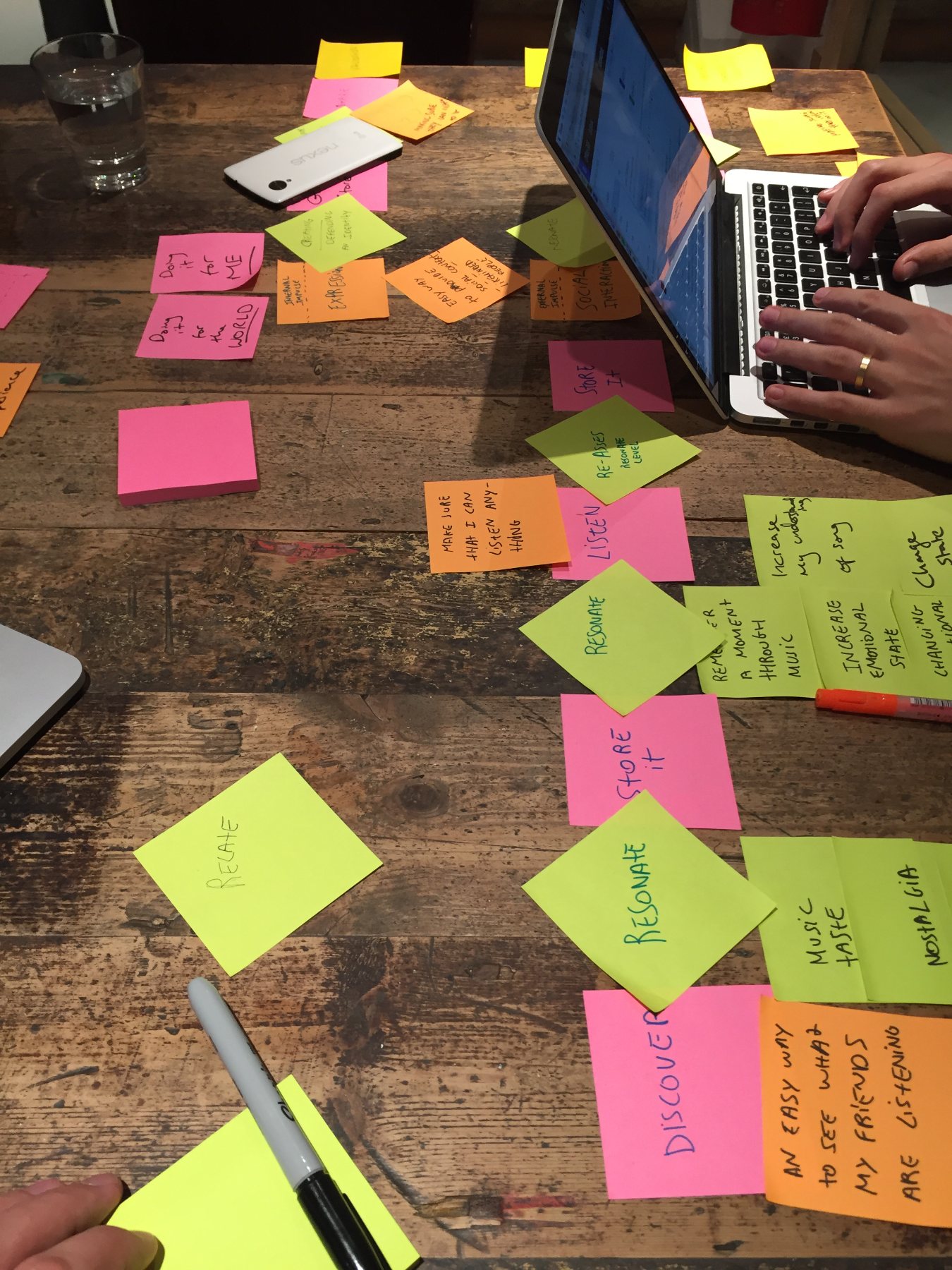
With the business agreed on what we were building, I had to prove (or disprove) our assumptions. Every method below involved people from one of the three user types: artist, advertiser or listener.
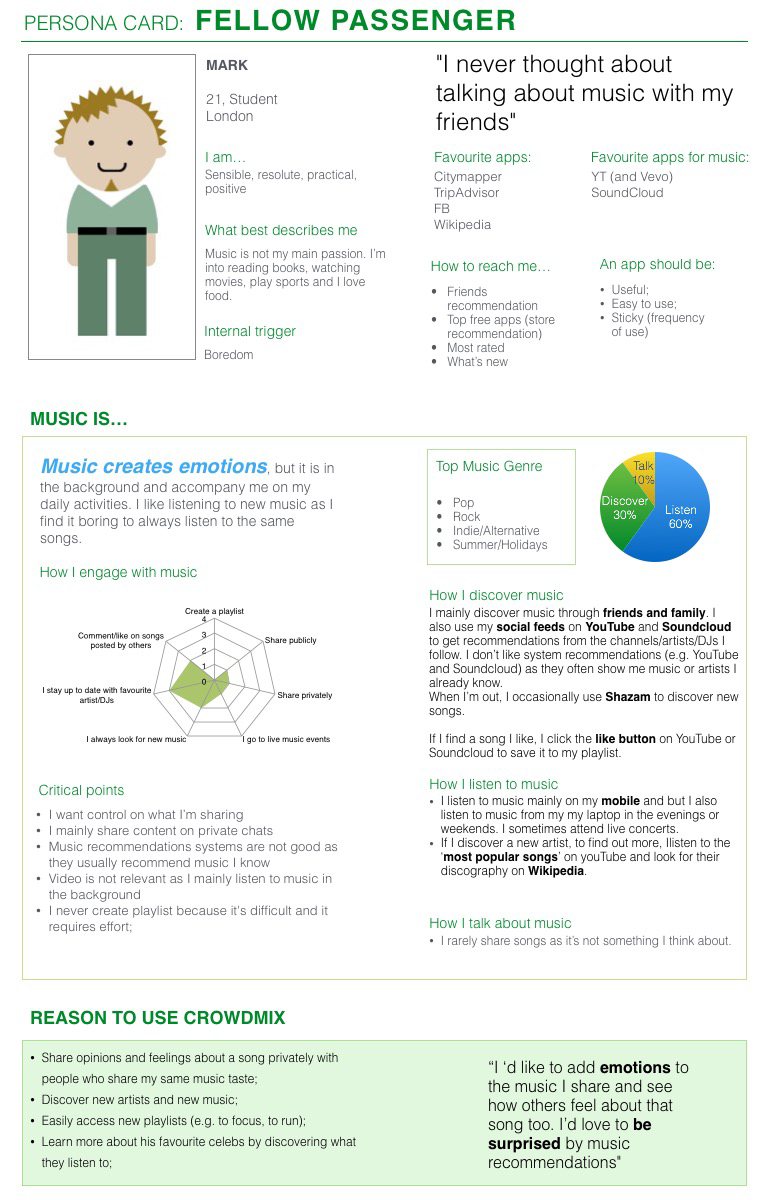
The CEO wanted a “big bang” launch, with no one outside the company knowing about Crowdmix until release. Interviews and usability testing with real users were halted. From then on, every decision was checked only by people inside the building.
Why that mattered: the whole app assumed everyone is a muso. We never tested that properly. Most people don’t talk about music, and it isn’t central to their lives. Music does different jobs for different people, and most of them just want something on in the background.
What people wanted
The research boiled down to three primary goals: discover, share and listen. Their weight changed by persona: influencers lean towards sharing, contributors do a bit of everything, and consumers mostly discover and listen.
The core loop
Those three goals became one journey, and the whole product was designed around four objects that carry people through it.
The stack
A stack is Crowdmix’s unit of content. The smallest stack is one picture and one song: music is the core, and the picture gives it a visual reference and context. Stacks show as a preview in the feed and open into a full-screen view.
The tile
Most people won’t share from a blank page, so Crowdmix starts the journey for them. A tile is a pre-stack: content we suggest, visible only to you until you choose to share it.
The crowd
A crowd is a conversation about music with people who share your taste. Every crowd has an owner who sets its topic. This answered the research directly: people wanted to share privately with friends, without their taste being judged in public.
The feed
The feed is the heart of Crowdmix: everything new from the crowds you belong to and the people you follow. We compared a following model (like Instagram) with a conversation model (like Snapchat) and split the feed into two views so people could choose.
Design
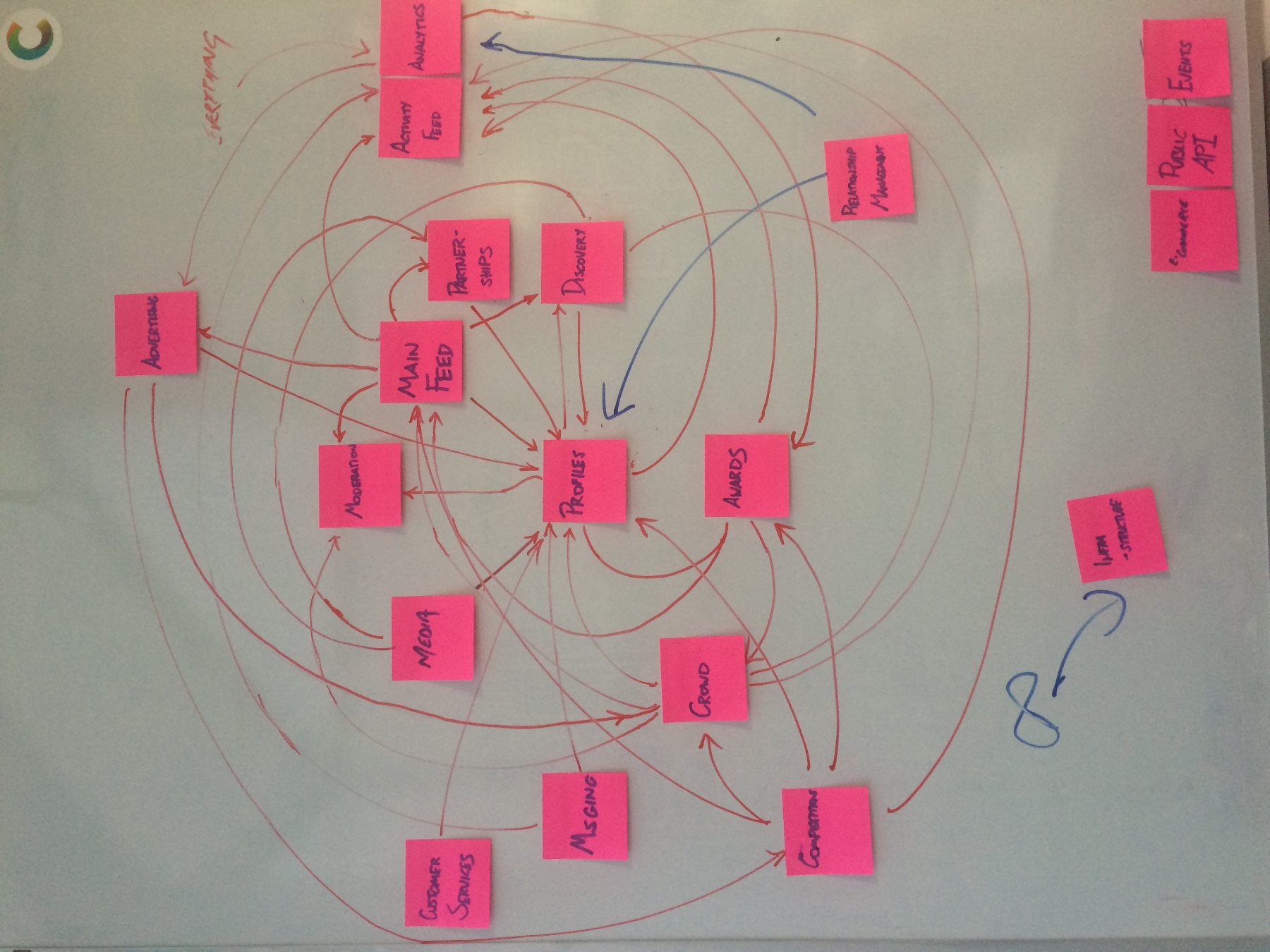
With the vision and research in place, we drew out the key concepts: how content flows from artists and creators to listeners, how user types relate, privacy, how people talk about music, and how the product makes money. Then the detailed design began.
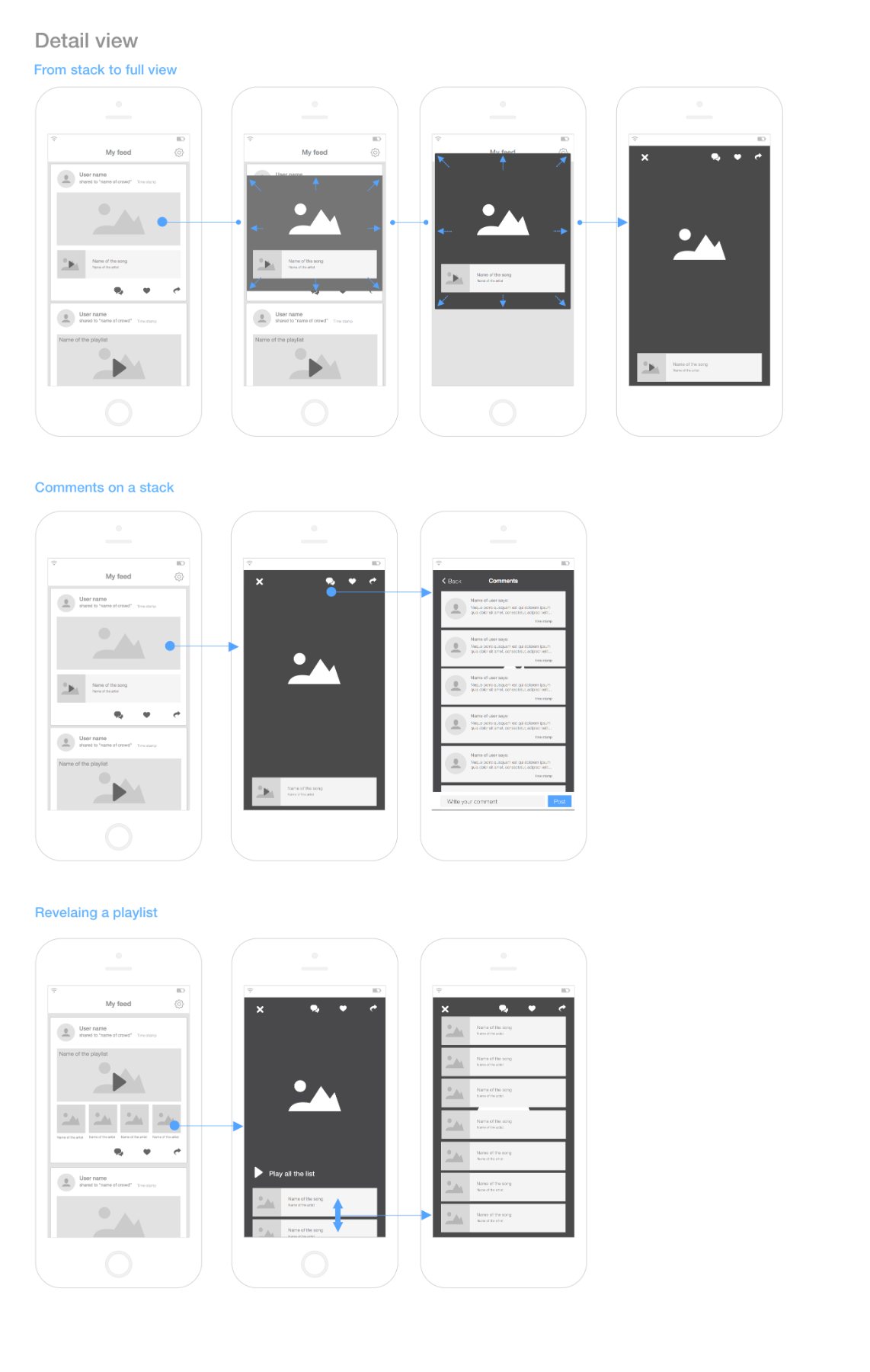
That’s a problem for a social network. How does it work without real conversation? We noticed that what people did want was to leave a stamp of approval or disapproval.
This is the kind of finding we stopped getting once outside testing ended.
Develop
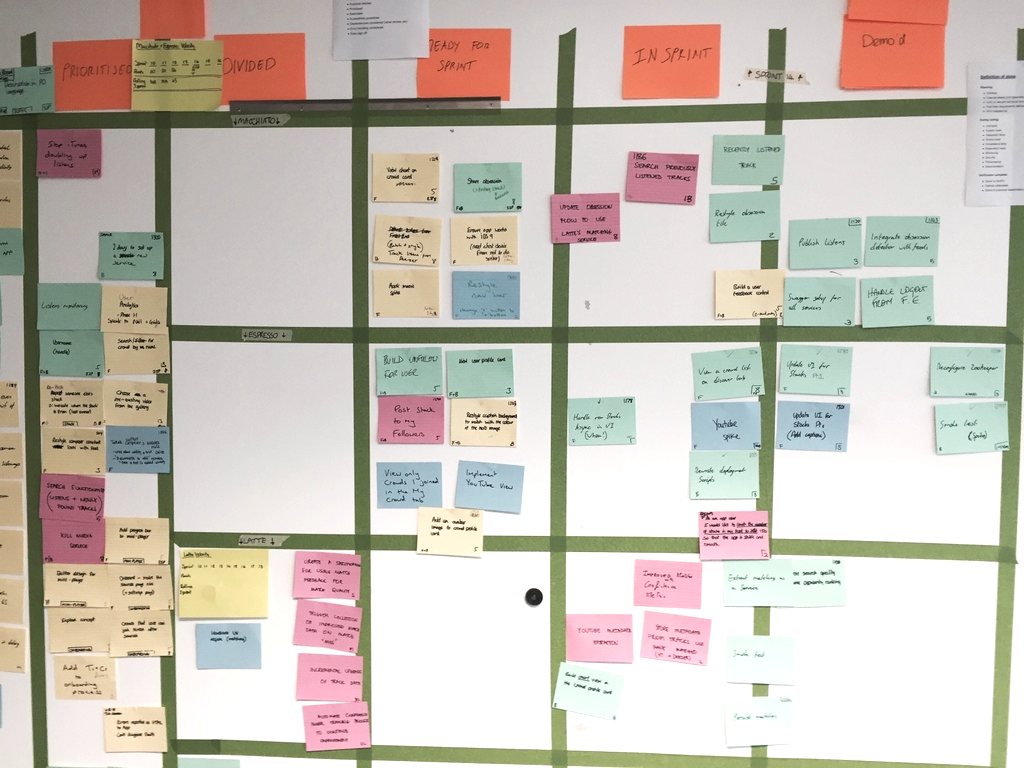
Once the stakeholders and I had signed off the concepts and prioritised what to build first, development began. The CTO and I designed the agile process for a team of 80 developers and designers.
Launch
The app soft-launched to invited users in May 2016. Long before that, the hype arrived ahead of the product: senior hires, sponsorships and press built expectations a closed app couldn’t meet. Two months after launch the company went into administration.
What we planned to measure
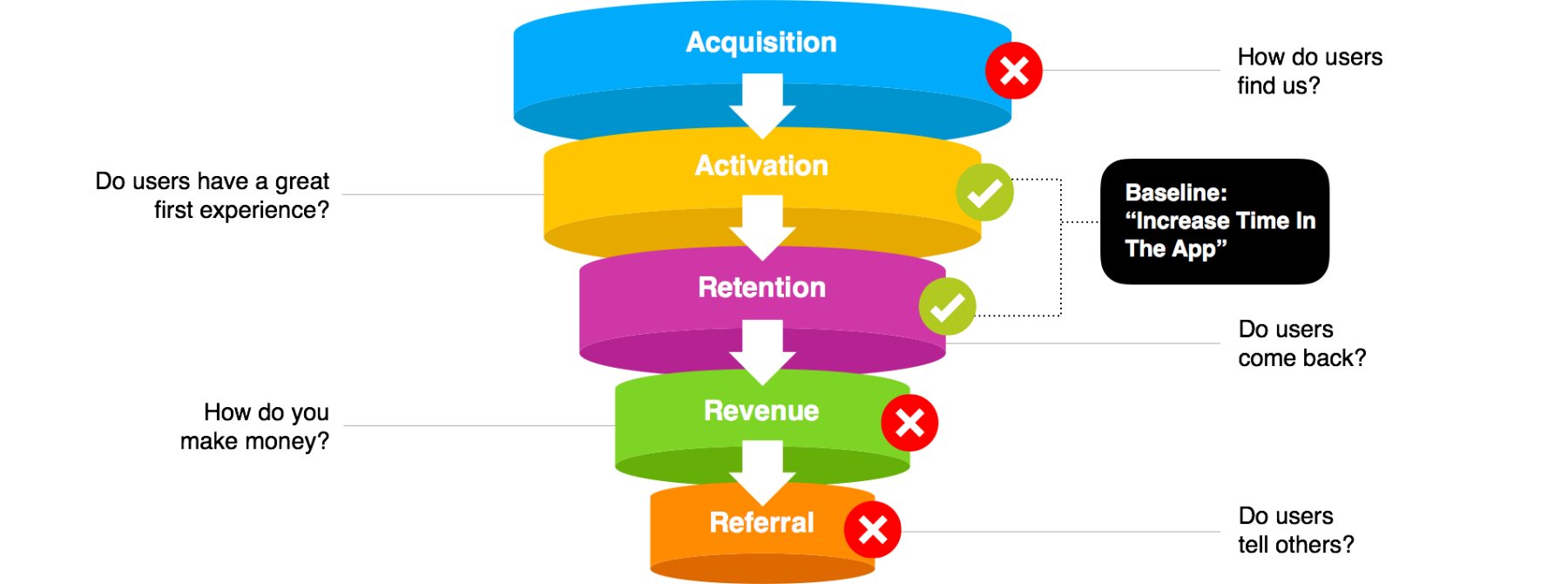
We set goals against each stage of the user lifecycle. The main one was increase time in the app, so I focused on activation and retention first. Once outside testing stopped, these could only be measured with staff, not with the listeners the product was for.
The testing loop
The loop we designed for every release. After research was halted it ran inside the company, with colleagues standing in for real users.
What I learned
Crowdmix taught me more than any project that went well. Most of what went wrong traces back to one decision: we stopped learning from users before we knew whether they wanted the product.
Now I won’t start a build without a way to put it in front of real users, and it’s the first thing I agree with leadership.